The impact of gambling on society Understanding the hidden costs
Understanding Gambling and Its Appeal
Gambling has become an ingrained part of modern society, attracting individuals with the promise of quick financial gains and thrilling experiences. From casinos to online platforms, the ease of access has amplified its appeal, making it a popular pastime for millions. The entertainment value often overshadows the potential risks, leading many to underestimate the consequences that gambling can have on personal and societal levels. Many people are exploring options like non gamstop casinos 2026, which can further complicate the gambling landscape.
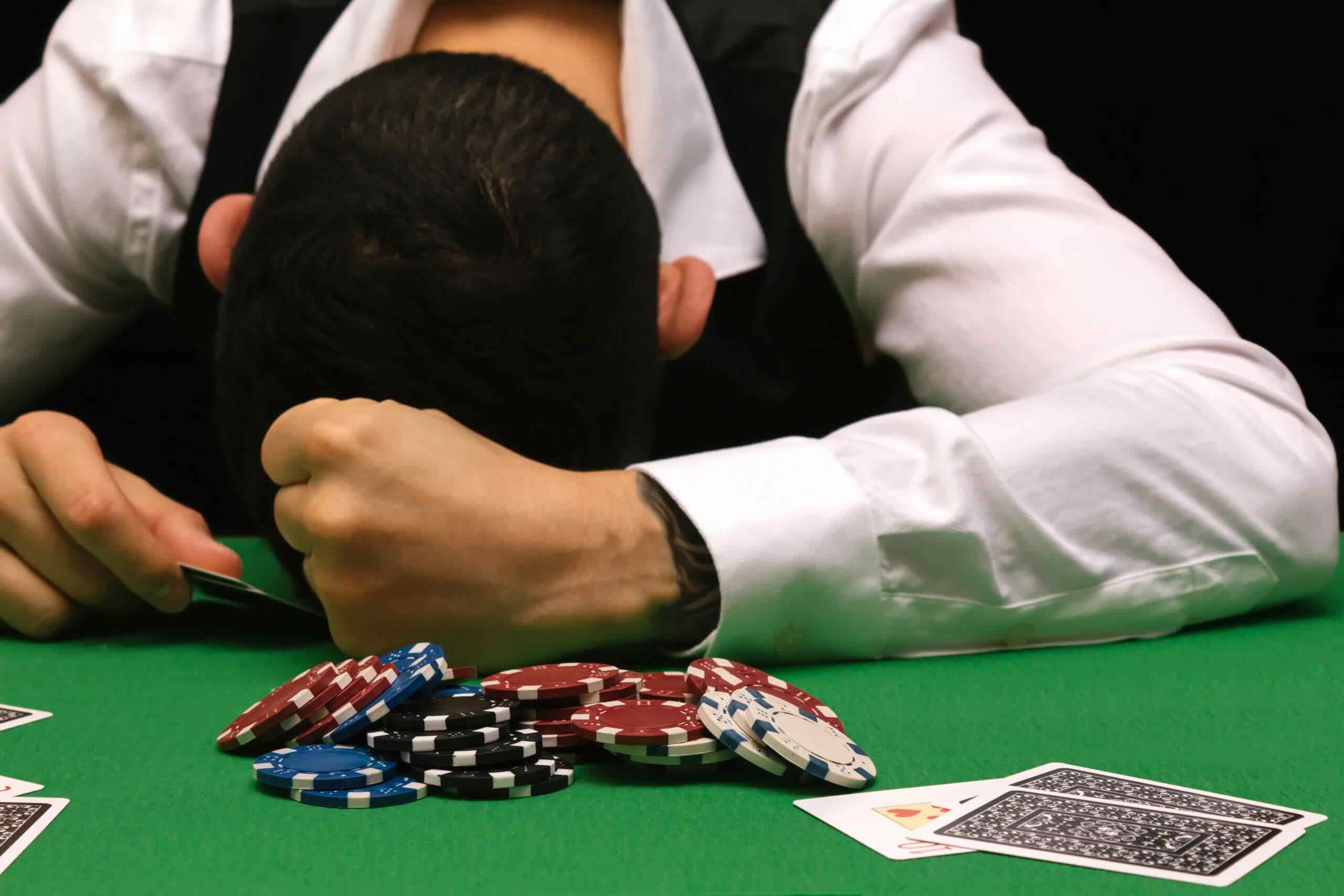
The allure of gambling lies not only in the chance to win but also in the social aspects it offers. Many people view gambling as a form of recreation, socializing with friends or participating in community events. However, this perception can mask the underlying risks, causing individuals to overlook the potential for addiction and financial distress that accompanies excessive gambling.
The Financial Burden of Gambling
While gambling can lead to substantial winnings for some, it often results in significant financial losses for many. The hidden costs extend beyond individual losses, impacting families and communities alike. Those who struggle with gambling addiction may find themselves in a cycle of debt, leading to strained relationships and increased financial instability.
Furthermore, the economic implications of gambling reach into broader societal issues. Increased gambling can result in higher rates of bankruptcy, homelessness, and reliance on social services, which can burden local economies. Understanding these hidden costs is crucial in addressing the broader impact of gambling on society.
Social Consequences of Gambling Addiction
The effects of gambling addiction often ripple through an individual’s personal life, leading to strained relationships with family and friends. Communication breakdowns, emotional distress, and even domestic violence can arise from the chaos that gambling can create. Many families find themselves grappling with the emotional aftermath of a loved one’s gambling habits, which can lead to further issues such as mental health problems.
Communities also feel the repercussions of gambling addiction. Increased crime rates, such as theft or fraud, are often linked to the desperation of those trying to recover lost funds. The social fabric of neighborhoods can fray as trust diminishes and resources are strained, illustrating how gambling can extend its impact far beyond the individual.
The Role of Legislation and Regulation
Government regulations play a pivotal role in controlling the gambling landscape. Stricter laws and regulations can help mitigate the risks associated with gambling while promoting responsible practices. Education campaigns aimed at raising awareness of the dangers of gambling are essential for informing the public and reducing its appeal, particularly among vulnerable populations.
However, the challenge lies in balancing regulation with the interests of the gambling industry, which often contributes significantly to local economies through taxes and employment. Policymakers must navigate these complexities to create frameworks that protect individuals and communities from the harmful effects of gambling while still reaping economic benefits.

Promoting a Healthy Work-Life Balance
The website employersforwork-lifebalance.org.uk emphasizes the importance of maintaining a healthy work-life balance, particularly in the context of stressors like gambling. By providing resources and guidance, it aims to help individuals manage the demands of work while fostering personal well-being. Understanding the hidden costs of gambling can contribute to achieving a more balanced life.
As we strive for wellness in both personal and professional realms, it’s vital to recognize the societal implications of gambling. Awareness, education, and regulation can play crucial roles in mitigating the negative consequences of gambling, paving the way for healthier communities and happier individuals.
Leave a Reply